Kill the recap
Qoral · Nov 4 2026 · 3 min read
At Qoral, we’ve been rethinking how teams work in a world where AI agents can execute faster than humans can coordinate.
So far this year we’ve built and dogfooded several AI-native tools that have fundamentally changed how we work- to the point where I barely notice how much I rely on them. But it wasn’t until a recent meeting at my kid’s school, where I found myself mentally juggling decisions, commitments, and follow-ups, that I realized just how hard it is to go back to working without them.
Today we’re open-sourcing the first in a series of these tools: bwat board, an agentic to-do list that works while you talk.
bwat board
It’s simple: bwat joins your Zoom call, and as the conversation unfolds, captures the work onto a set of task cards.
Once bwat captures a task, you can act on it immediately. Send a card straight into an agent session, refuse it, or reassign it. I’ll often send a task to my Claude session during a meeting, and it’s done by the time the meeting ends!
Accidental yeses
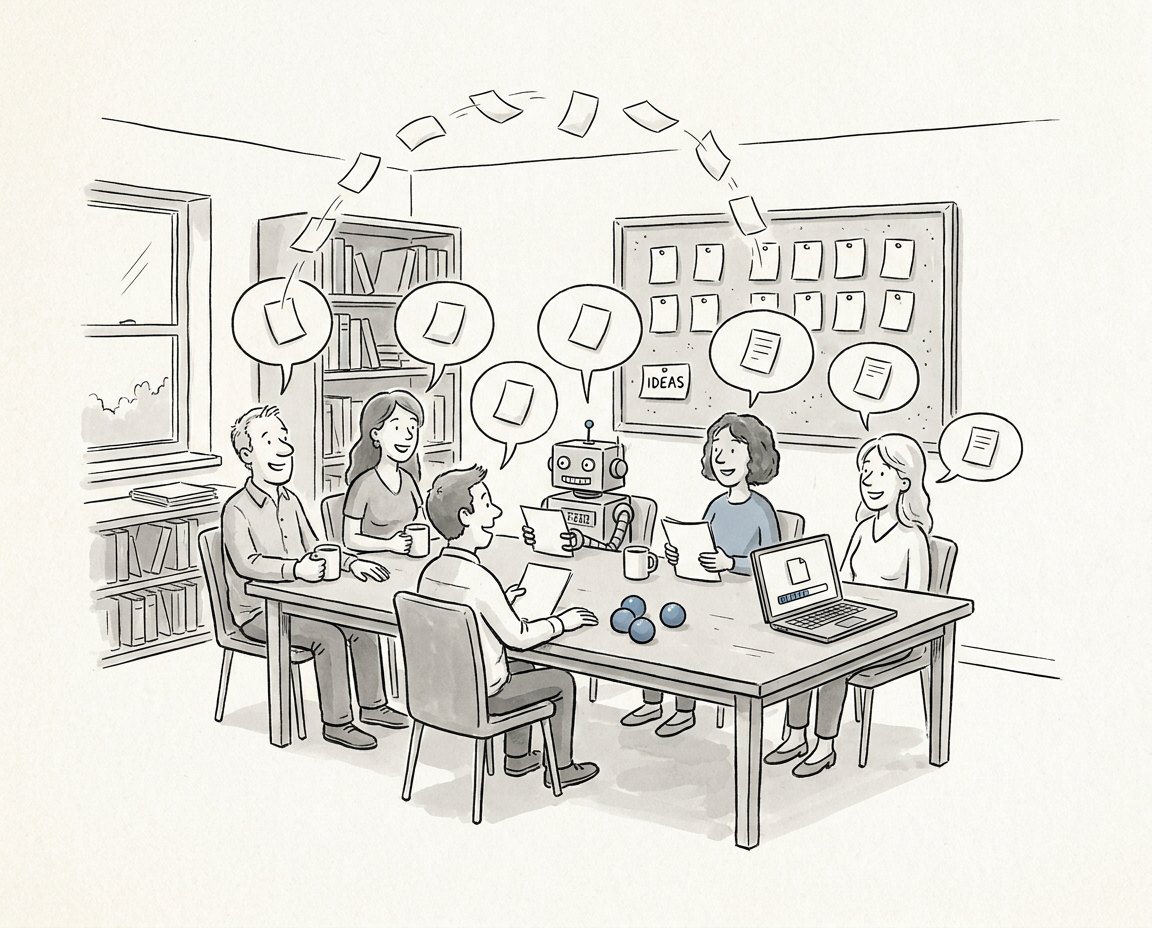
Tasks find us everywhere in the age of agents. You answer a question in Slack and suddenly you’ve picked up a new commitment. An agent finishes a task that evening and needs a decision from you. We need a way to reconsider what we’ve taken on as things change, and catch the little tasks that often fall through the cracks.
Each half-agreed thing takes up a little room in your head. William James wrote about attention in The Principles of Psychology:
“My experience is what I agree to attend to.”
The goal is to free our attention, so we can focus on things that actually matter.
Leave aligned
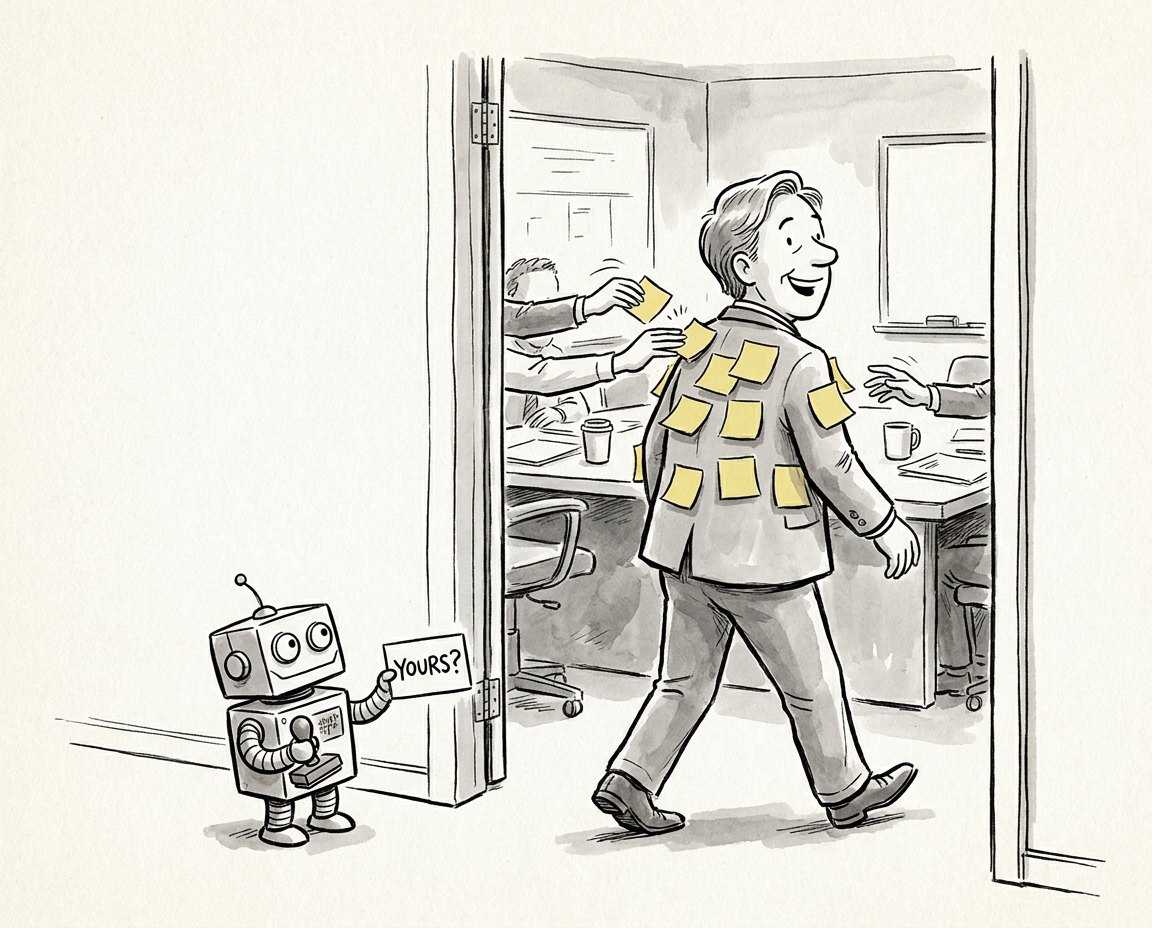
Most meetings end with half-committed tasks, unclear ownership, and at least some degree of misalignment. With bwat board, everyone can see those commitments taking shape in real time. You can clarify, renegotiate, or drop work before you leave the meeting, while everyone’s there to agree.
The board persists after the meeting, too. Use it as its own lightweight project tracker, or alongside tools like Jira. The important thing is that everyone knows what was agreed to, who’s responsible, and what happens next.
The day is the new sprint
At Qoral, we’re rethinking the entire rhythm of work around a simple observation: AI has made building dramatically faster, but human coordination hasn’t kept pace.
Every major software methodology has been shaped by the constraints of its time. Waterfall emerged when change was expensive, so teams planned everything upfront. Agile made iteration faster by breaking work into manageable sprints. But what happens when building becomes almost instantaneous?
We call our approach bwat. It’s not a rejection of Agile, but a compression. The day is the new sprint. The week is the new month.
Our team operates on a daily cycle. We review what agents produced overnight, agree on the outcomes that matter, and spend the day building alongside our agents. The next morning, we do it again. Every outcome has a human owner, but the work itself can move continuously between people and agents.
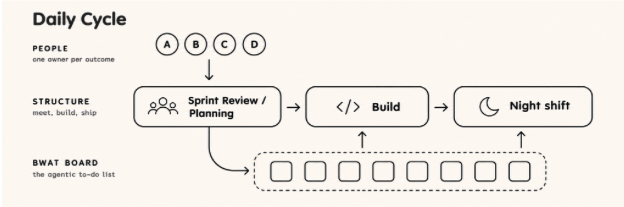
The challenge is keeping everyone in sync when work moves this fast. That’s why we’re building and open sourcing a series of AI-native tools to support this methodology, starting with bwat board. We’re still figuring out what this new way of working looks like, and we want other teams to help us shape it.
bwat board is available today for free. Bring your own keys, try it with your team, and give us feedback!